Renscault Brooghs
25 acres of rewilding in the heart of the West Baldwin Valley. Letting nature lead the recovery.
Our Rewilding Story
In May 2021, Manx Roots acquired Renscault Brooghs — 25 acres of former agricultural land in the West Baldwin Valley. The vision: step back, remove barriers to natural recovery, and let nature lead.
Rewilding is not about abandoning land. It is about understanding ecological processes well enough to know when intervention helps and when it hinders. Within two growing seasons, wildflower species not recorded for decades had re-emerged from the dormant seed bank.
Since then, the site's conservation value has been formally recognised: in 2025, Renscault Brooghs entered a five-year Section 30 management agreement with the Department of Environment, Food and Agriculture (DEFA), and DEFA's own ecologist now records species on site — heath spotted orchids, breeding warblers and more, detailed below.
For Ben Brooker, this project is deeply personal — a tangible commitment to the Isle of Man's ecological future, not as a client project, but as a permanent legacy.
Project Timeline
Site Acquired
25 acres of former agricultural land in the West Baldwin Valley secured for long-term conservation.
Baseline Botanical Survey
A botanical survey (2 July 2021), carried out by ecologist Liz Charter, mapped plant communities across the site's zones — riparian woodland, wet woodland, scrub grassland and planted mixed woodland with natural regeneration of broadleaves. Heath spotted orchid was recorded on site for the first time, alongside an early wildlife list including meadow brown and small heath butterflies, common blue damselfly and breeding pheasant. This survey set the baseline against which all later recovery has been measured.
Bracken Management
Targeted bracken reduction to allow suppressed native species to re-emerge. Detailed habitat mapping completed.
Wildflower Emergence
Paths improved for monitoring. The first dormant wildflower species begin re-emerging from the historic seed bank.
Invertebrate Survey
An invertebrate survey (13 May and 9 December 2022), carried out by naturalists Kate Hawkins and Steve Crellin, recorded a wide range of spiders, river flies including stoneflies, mayflies and caddisflies, hoverflies and other invertebrates in the river and surrounding grassland — alongside breeding-season blackcap song.
Fungi Survey
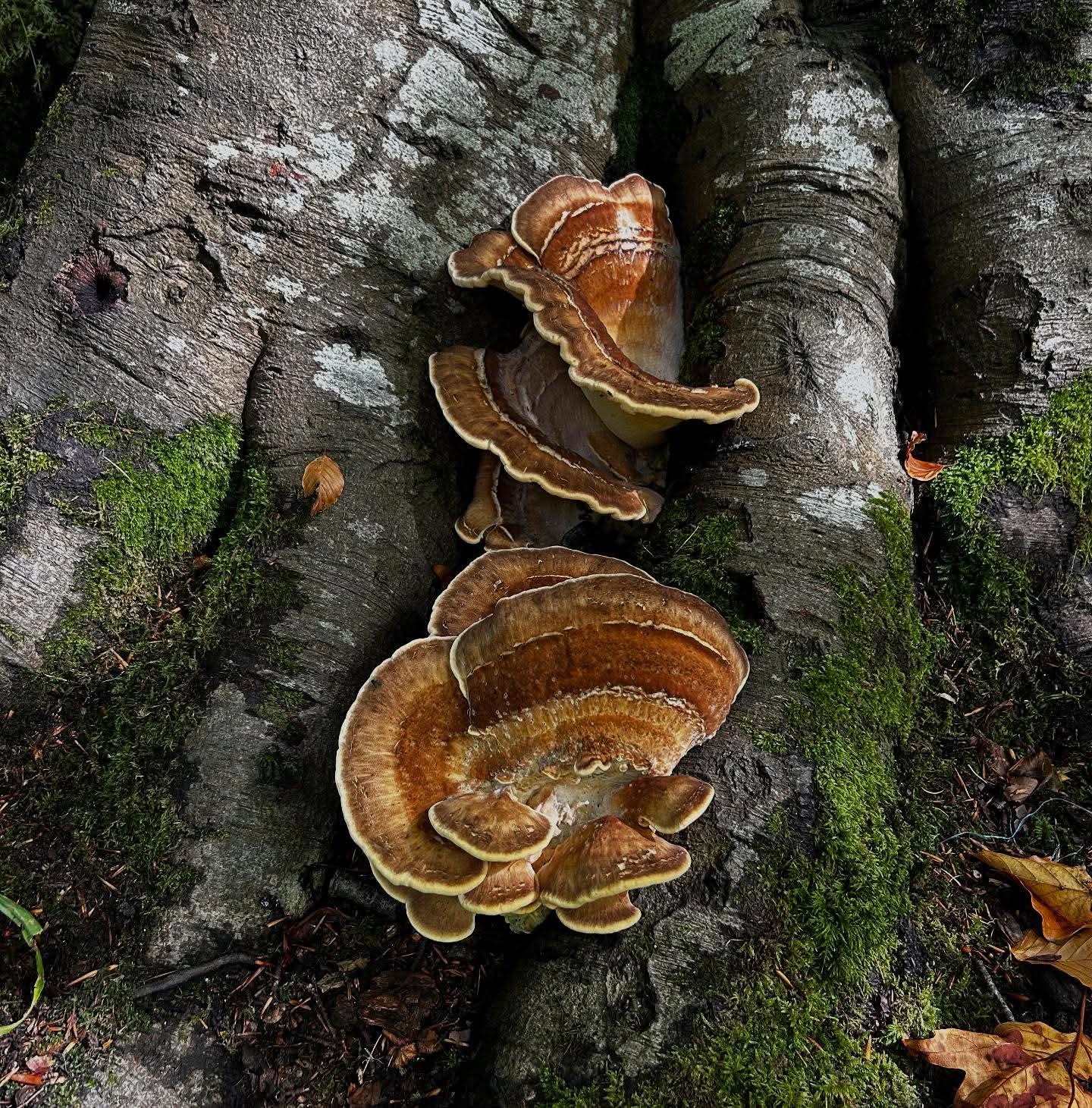
A fungi survey (14 September 2022), carried out by ecologist Liz Charter, recorded over 30 species across the site's grassland and woodland, including chanterelle, several waxcaps and pinkgills, and the aldercap and alder bracket found beneath the site's riverside alders — early evidence of a maturing, diversifying habitat.
Watching and Recording
No major interventions during this period — the site was left largely undisturbed, with monitoring continuing to track how the habitat was settling and developing on its own.
Botanical & Bird Survey
On 18 June 2025, DEFA ecologist Sophie Costain surveyed the site, reconfirming heath spotted orchid first noted in the 2021 baseline survey, alongside a strengthening community of grassland and hedgerow plants. The survey also confirmed and probable-confirmed several breeding birds: blackcap, chiffchaff and willow warbler all singing on site, and pheasant confirmed breeding with one adult and six recently fledged young.
DEFA Section 30 Agreement Signed
A five-year (2025–2030) management agreement signed with the Department of Environment, Food and Agriculture, administered by DEFA ecologist Sophie Costain. It covers the north-west field and funds stock-proof fencing in exchange for managing the area as grazed, species-rich grassland — official recognition of the site's conservation value.
Planning Permission Granted
Permission granted (25/90674/B) for on-site habitat-management storage — two linked shipping containers, designed to be unobtrusive and reversible, with conditions including a 9m buffer from the River Glass and bat-friendly lighting.
Fencing Complete, Grazing Partnership Underway
Stock-proof fencing built under the Section 30 agreement to enable conservation grazing in the north-west field; livestock for the field are yet to be sourced. The south field continues to be grazed by a neighbouring farmer's cattle, as it has been since before Manx Roots took ownership.
Infrastructure Taking Shape
The workshop container is shelved, organised and under roof, and the access track has been improved in partnership with the neighbouring farm — practical work that supports monitoring and management without disturbing the habitat.
Ash Dieback Felling
Roadside ash trees affected by ash dieback disease were felled to mitigate the risk of falling limbs and deadwood near the access track — a necessary, targeted intervention rather than a departure from the site's minimal-intervention approach.
Bat Survey Underway
A bat survey is currently underway on site, carried out by a DEFA ecologist. The land continues to rewild at its own pace, with only essential management interventions.
Biodiversity Recovery
Advanced signs of ecological recovery are everywhere at Renscault Brooghs.
Grassland birds returning and breeding
DEFA's June 2025 survey confirmed blackcap, chiffchaff and willow warbler singing on site, and pheasant breeding with fledged young — probable and confirmed breeding across several species.
Dormant wildflowers re-emerging
Heath spotted orchid, first recorded in the 2021 baseline botanical survey, was reconfirmed on site by DEFA in June 2025 — a good indicator of recovering species-rich grassland.
Natural woodland regeneration
Natural regeneration of rowan and blackthorn is well underway, alongside natural regeneration of broadleaves noted within the site's planted mixed woodland and established riverside alder.
Native plant recovery
A growing recorded plant list spanning grassland, woodland and wetland zones — foxglove, meadowsweet, greater bird's-foot trefoil and more — recorded across the 2021, 2022 and 2025 surveys.

Manx Inventory of Notable Trees
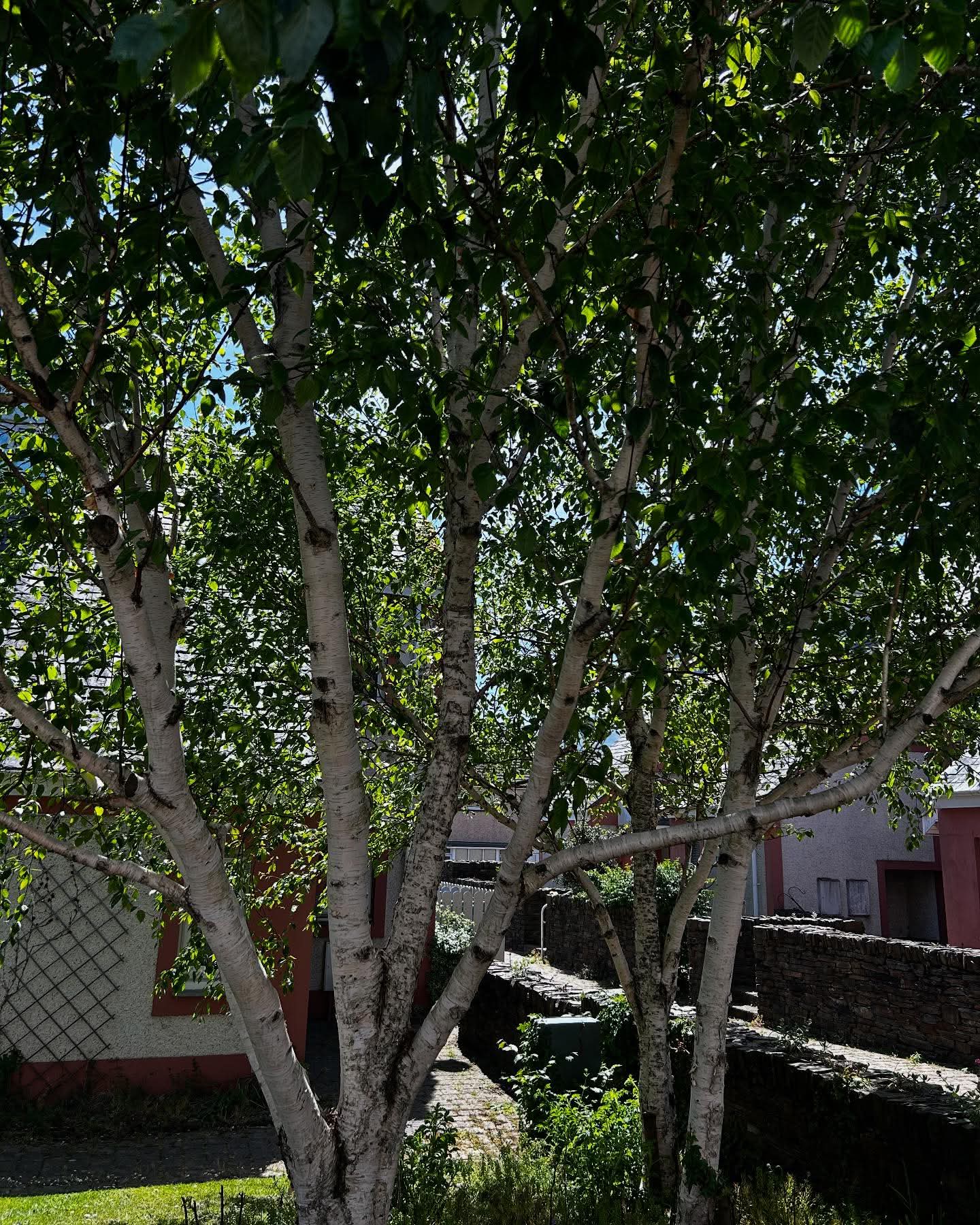
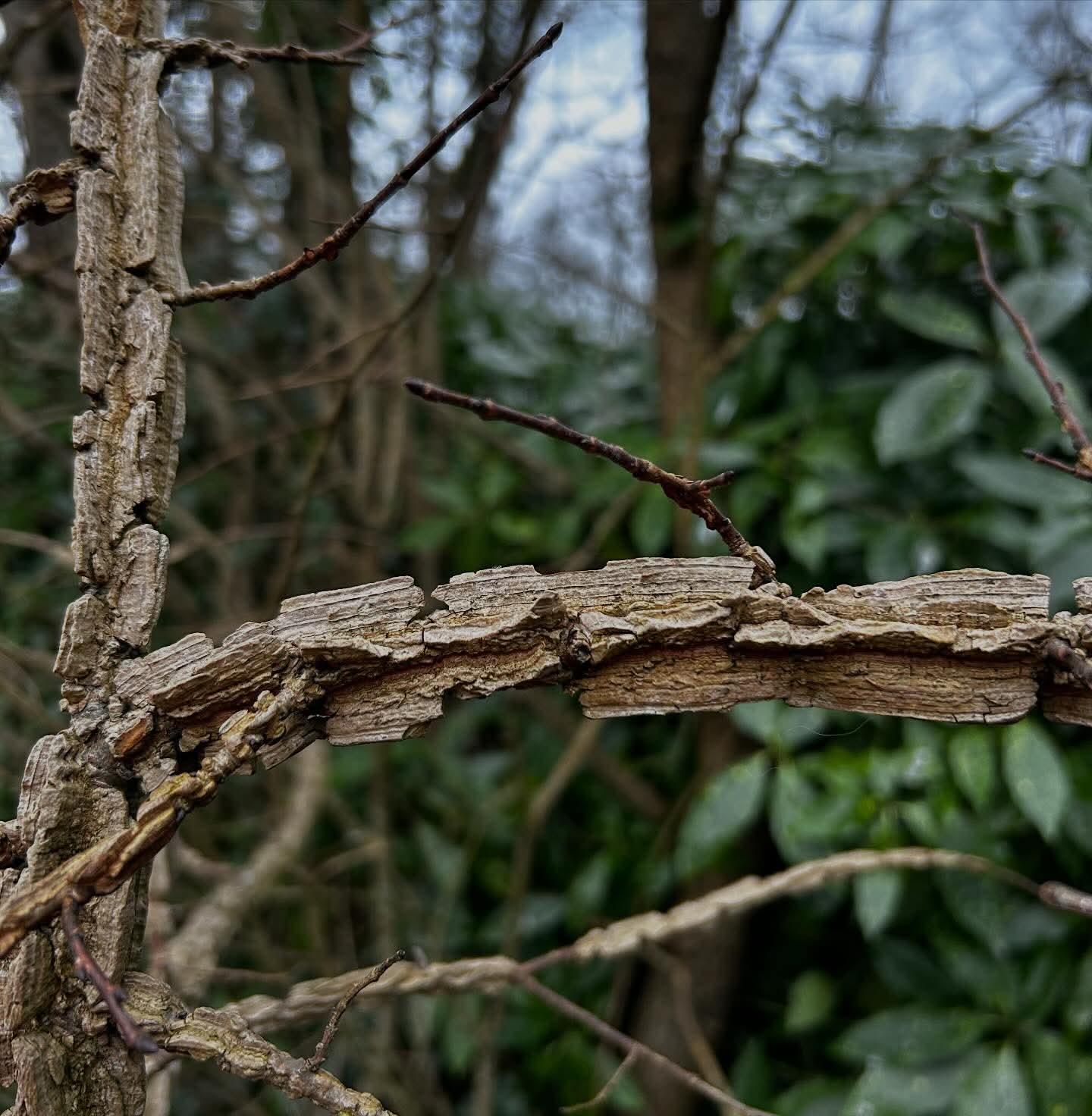
We are building MINT — a public record of the Isle of Man's oldest, largest, and most historic trees. If a notable tree stands on your land, you can give us permission to record it using our short landowner form. You choose exactly what we may do.
Interested in our conservation work?
Whether you'd like to volunteer, learn more about rewilding, or discuss a conservation project — get in touch.